
Financial Literacy

By Phundit



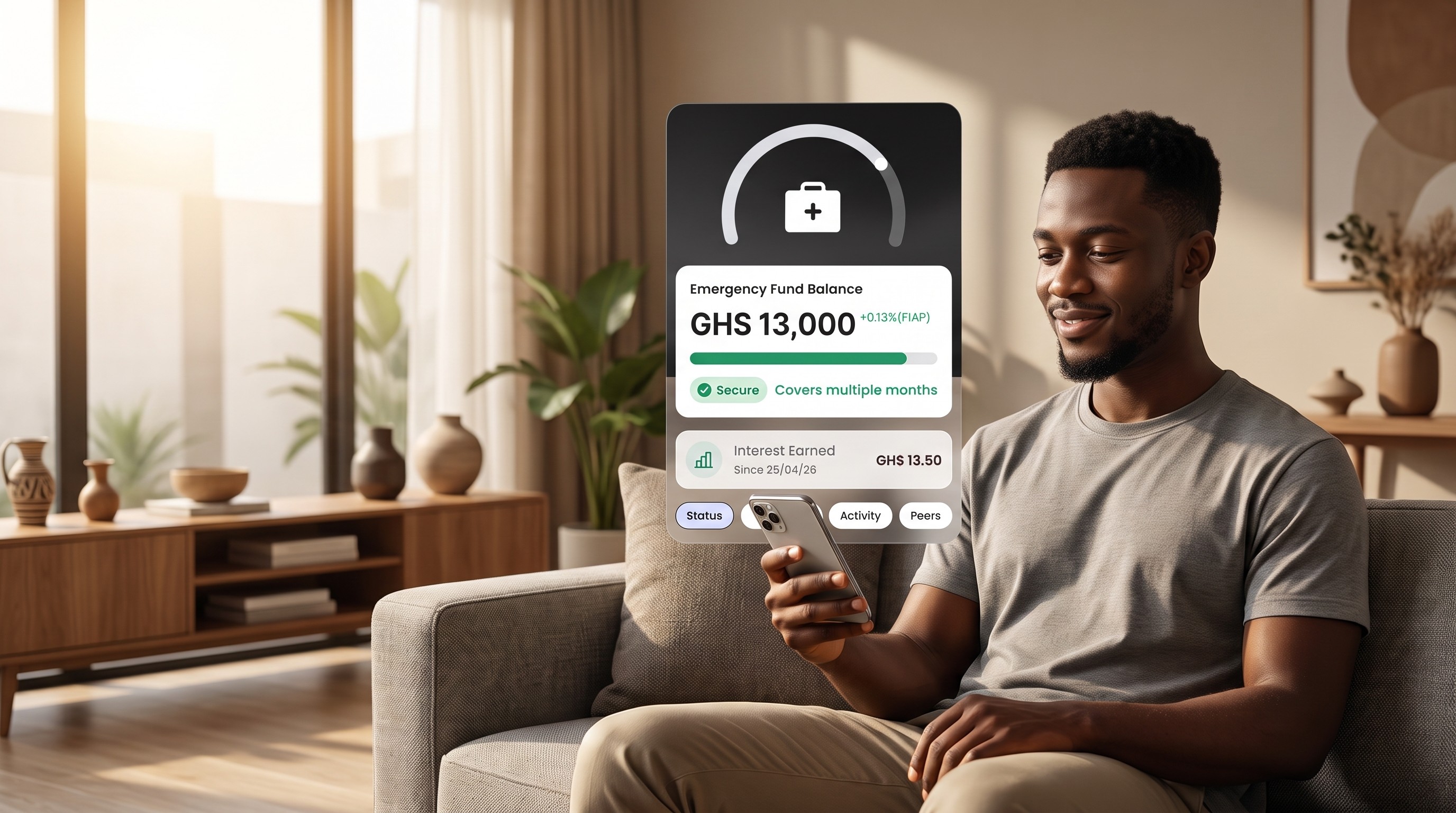
Last month, a Phundit user called Peter, our Co-Founder and CEO, with a concern.
He had built an Emergency Fund of almost ₵13,000, and it was earning around ₵25 in interest each week.
He expected more.
“Shouldn’t my money be making me more?"
It is a fair question. When you are working hard to save, you want to see your money grow.
Peter’s response came down to one important principle:
Your Emergency Fund has one job: to be there when you need it.
This conversation became the focus of our recent Storybloc feature, where Peter explained how Phundit thinks about emergency savings, capital preservation and financial security.
Every cedi needs a clear job
The money in your Emergency Fund serves a different purpose from money you set aside for long-term investing.
Your investments may be designed to grow over several years. Your Emergency Fund needs to be ready for the moments you cannot plan for.
Your phone may stop working. Your car may break down. You may face an urgent medical expense or suddenly lose a source of income.
In those moments, you need money that is:
safe;
accessible; and
available when you need it.
This is what capital preservation means: protecting the money you have already saved so it can support you when life happens.
Why Phundit does not chase the highest returns
Higher potential returns often come with more uncertainty.
That may suit money you have invested for a long-term goal. It is a less suitable approach for money you may need at short notice.
At Phundit, your savings are placed in low-risk investments through regulated partners. This allows your money to grow steadily while keeping the focus on protecting your fund.
There may be options that offer higher returns. Your Emergency Fund is built around reliability.
Because when an emergency comes, the most important question is not:
“Did this money earn the highest possible return?”
The question is:
“Is my money still here, and can I access it?”
Your Emergency Fund makes bigger financial goals possible
Building an Emergency Fund does not take you away from investing. It gives you a stronger foundation for it.
Without emergency savings, an unexpected expense may force you to:
borrow money;
use funds meant for rent or other essentials;
withdraw from a long-term investment too early; or
sell an asset at an inconvenient time.
A financial safety net gives you room to respond without disrupting every other money goal you are working towards.
That is financial confidence: knowing that one unexpected expense does not have to undo all your progress.
So, is ₵25 a week enough?
₵25 in weekly interest may not feel exciting beside the high returns people often discuss online.
The ₵13,000 underneath it still matters.
It represents money that has been protected, kept accessible and set aside for a clear purpose. It gives its owner choices when life changes unexpectedly.
The value of an Emergency Fund is measured by more than the interest it earns.
Its value also comes from the debt it helps you avoid, the investments it helps you protect and the peace of mind that comes from knowing your money is ready.
Watch the full Storybloc here
In the full Storybloc, Peter shares more about the conversation and explains why protecting your emergency savings matters more than chasing the highest return.
Ready to Build Your Safety Net?
Life can change without warning. Your finances can still be prepared.
Start building your Emergency Fund with Phundit and take one more step towards financial confidence.
Start small. Stay consistent. Keep your money ready for when life happens



Next Blog